
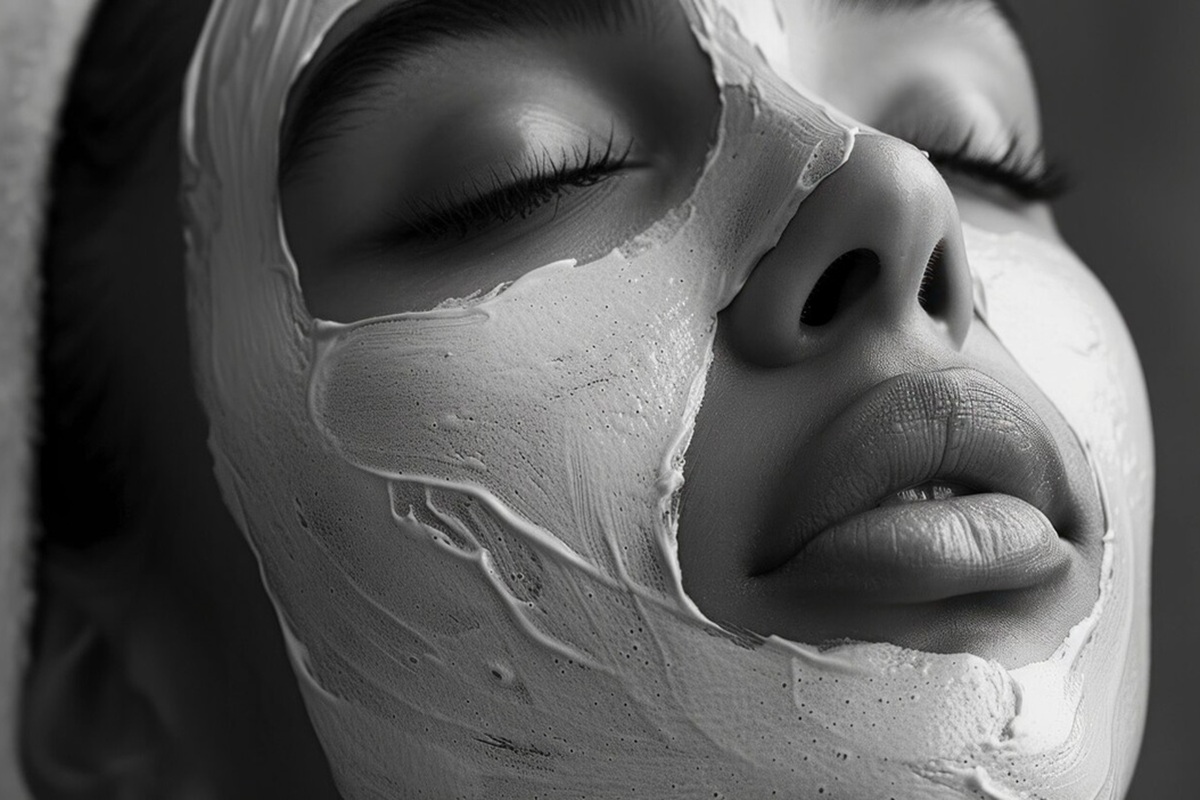
November marks the official start of National Healthy Skin Month, and with new research linking skin microbiome health to gut microbiome health, now is the perfect time to test your knowledge of the history of skincare!
We live in an age of impressive technological advances that often seem impossible. If you look around, you’ll see examples of modern wonders everywhere, thanks to the ingenious evolution of traditional products.
For example, if you reach for your phone or open your laptop to read this blog, you may be amazed at how just a few decades ago, this would have been impossible.
We have access to information at any time of the day at the touch of a finger, many of our cars can run on electricity, and you can contact your friends and family in seconds from anywhere in the world. It’s easy to look back and marvel at how far we’ve come, but even thousands of years ago, ancient innovations paved the way for many common products, some of which we still use today.
We tend to think of electronics when we see words like “technology,” but it can mean much more than that: for example, the cosmetics and skincare products you use every day. If you thought that most of what we use is new, you’re in for a surprise. Some of your products may have been around for thousands of years — since the pyramids were built and civilizations fell.
1. Cleopatra was the founder of the skincare and cosmetics industry
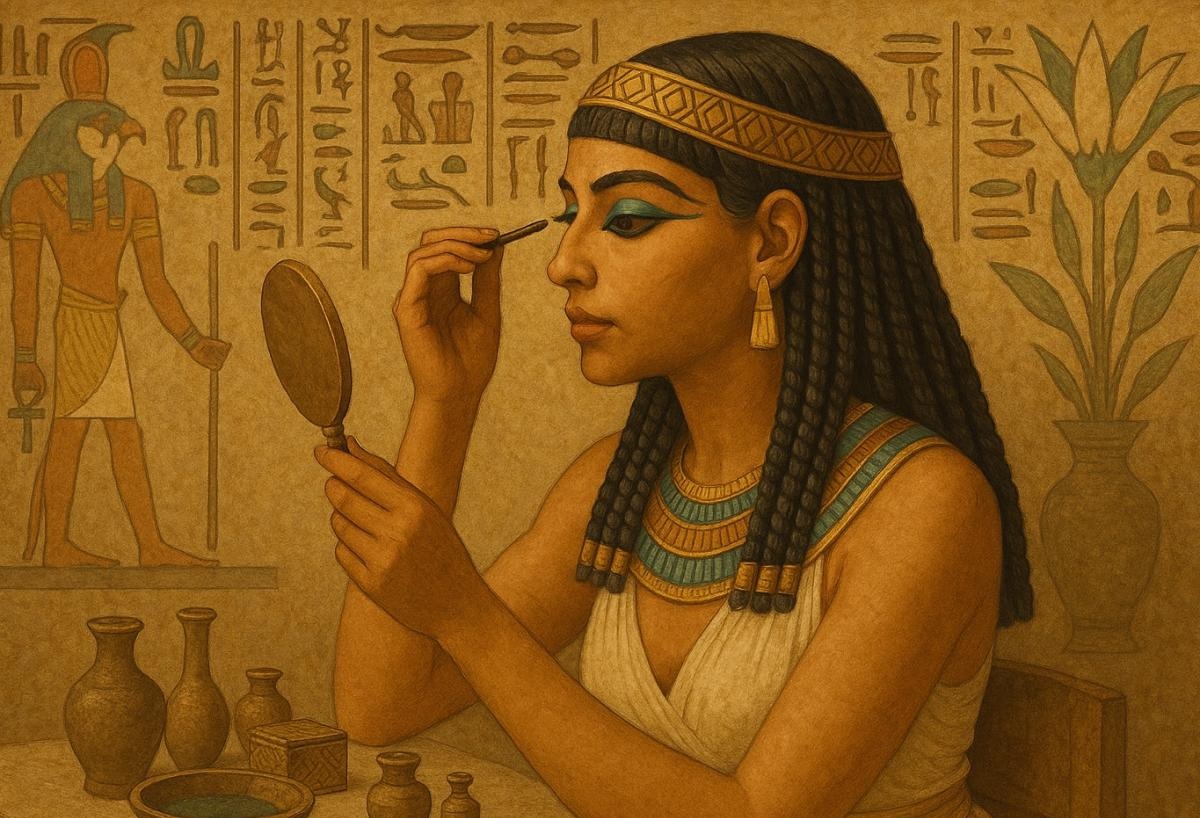
Although different civilizations had their own unique hygiene practices, Queen Cleopatra dedicated her life to researching skincare and beauty methods, even creating her own production facility that manufactured perfumes, cosmetics, and skincare products. Born over 2,000 years ago (69 BC), she made various antimicrobial face washes from honey, olive oil, lime, and chalk, as well as toners from apple cider vinegar and used sea salt scrubs to exfoliate her skin. She also produced natural nail polish and hair dye to maintain her youthful appearance.
2. In fact, cosmetics appeared long before Cleopatra’s time in Egypt, as early as 6000 BC.

Prototypes of cosmetics have been found in Egyptian tombs and buried with the ancient Egyptians. Items such as kohl—which gave many Egyptians the smoky eyes we admire so much today—were originally used to fight infections by killing pathogenic skin bacteria with their heavy metal components. The ancient Greeks and Romans also used various methods to “paint” their faces with natural minerals to give them a radiant appearance, as well as for their beneficial antimicrobial properties.
3. Queen Elizabeth made pale skin “fashionable”

In the Middle Ages, bright cosmetics were common among prostitutes, so Queen Elizabeth changed the standards of beauty during her reign. It was at this time that we began to see increased paleness or whiteness in the skin of women from the upper classes. A mixture made from vinegar and lead, called “serosa,” was used to lighten the skin, giving it an unnatural paleness characteristic of a noble lady. Unfortunately, bathing fell out of fashion, and many women who used this product had difficulty removing it (in some cases even using donkey milk and urine — yuck!) and as a result suffered from muscle paralysis or death from lead poisoning…
4. Before the advent of foundation, skin whitening was a mandatory cosmetic procedure

Long before Queen Elizabeth became a fan of pale complexions, the Chinese perfected methods of skin whitening using lemon juice and songi mushrooms. However, the Chinese believed that youthful and healthy skin was primarily linked to inner well-being, and preferred to use nutrition, blood circulation, and exercise to strengthen internal and external health. One empress of the Qin Dynasty (221 BC–207 BC) believed that a diet rich in black beans, sesame seeds, and Chinese yams led to healthy skin and improved complexion. It seems their thinking was correct!
5. The creation of the FDA changed unsafe skin care practices in the United States.
In 1869, the American Medical Association published a study titled “Three Cases of Lead Paralysis from the Use of a Cosmetic Called Laird’s Bloom of Youth” (sorry, Queen Elizabeth, but we don’t apologize), which detailed their findings on lead-based whitening cosmetics and lead poisoning.
This paved the way for the creation of the FDA (Food and Drug Administration), and ultimately we have seen significant progress in ensuring the safety of many skin care products that we continue to use today.
Although people in ancient times (even as recently as the last century) may not have known how the microscopic organisms living on their skin affected their risk of infection or disease, they still found unique ways to harness their powers.
Many of the nutrients Cleopatra used were natural probiotics for her skin’s microbes, inadvertently helping them and supporting their natural line of defense. On the other hand, ancient men and women created cosmetics and skin care products that led to heavy metal poisoning and other diseases, but thanks to access to modern medicine and research technologies, we have abandoned these practices and found new ways to create healthier and more natural product lines.
Other things we see today are even more striking — things that microbiologists may not have even thought about: we are now seeing the skincare industry embrace the microbes that live within us and take their role into account in personalized cosmetics. Perhaps this is where many future changes in the market will take place. What a technological breakthrough!
But ultimately, if you want to look healthy and make your skin glow, optimizing your nutrition and improving your internal health can make an incredible difference to your skin.
Whether you choose lipstick or lip balm, or follow a 20-step or 2-step skincare routine before bed, clear skin can say a lot about what’s going on inside you. At Viome, we believe that there is much more to the phrase “beauty comes from within” than meets the eye — mainly because science has taught us a lot about what happens beneath the surface at a microscopic level. Don’t guess your way to the “right” diet—see what Viome can do for you and your skin by getting science-based nutrition recommendations tailored just for you—through real changes you can see. You may even feel a new sense of confidence and notice that your skin looks healthier.
*The information on the atwellgeyerpr website is provided for informational purposes only and with the understanding that atwellgeyerpr does not provide medical advice or recommendations. atwellgeyerpr provides this educational information to share interesting discoveries reported in the scientific literature about the human microbiome and your health. atwellgeyerpr products are not intended to diagnose, treat, or prevent any disease.